

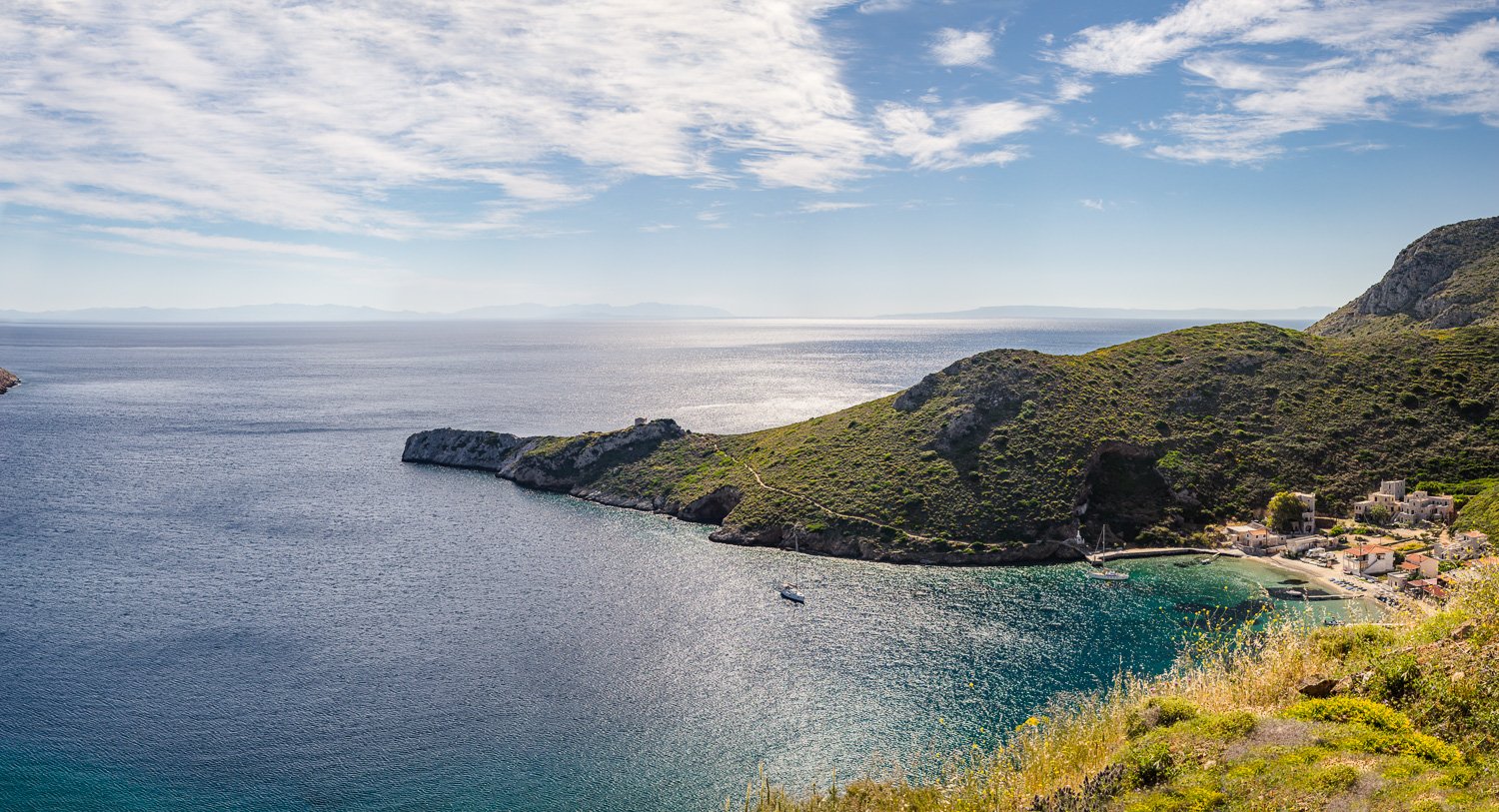
If you are considering renting or purchasing property in Greece, you may have noticed something confusing on property listings: some villages have the word “Paralio” next to their names. For example, you might see “Paralio Astros” or “Paralio Lefkada”. But what does this mean, and why is it important for someone unfamiliar with the local terminology? Understanding this term can help you make better decisions when choosing a property in Greece.
What “Paralio” Means
The word “Paralio” (παράλιο) comes from the Greek word “paralia”, which means beach or seaside. When you see “Paralio” next to a village name, it simply indicates that this settlement is located on or near the coast. In other words, it’s a seaside village or town.
For example:
- Paralio Astros – The coastal part of the village of Astros in the Peloponnese.
- Paralio Lefkada – The village of Lefkada situated directly on the shore of the island.
Think of it as similar to seeing “Beach” in English place names like “Miami Beach” or “Virginia Beach.”
Why Some Villages Have “Paralio” and Others Don’t
Greece has a rich history of settlements that often developed in two distinct parts: inland and coastal. Historically, inland villages were established on hills or elevated terrain to avoid pirates or invaders, while the coastal settlements served as ports or fishing hubs. Over time, the coastal area became known as “Paralio” to distinguish it from the main inland village.
For example:
- Kastro Astros – The original inland village, often older and located on a hill.
- Paralio Astros – The coastal extension, built closer to the sea to accommodate trade, fishing, and modern tourism.
Not every village has a “Paralio” because some villages developed entirely inland or were never extended to the coast. Conversely, some modern villages or towns have only a coastal settlement without a historical inland counterpart, so they simply go by their name without “Paralio.”
Greeks Take the Distinction Seriously
It’s important to know that Greeks consider the inland village and its “Paralio” part as two separate locations, each with its own character and lifestyle. For foreigners, the difference might seem subtle, but it is really two distinct places:
- Paralio areas are generally relaxed, often featuring a marina or a small port, beaches, tavernas that focus on fish and seafood, and holiday rentals or boutique hotels. They cater to tourists and visitors, creating a lively, seasonal atmosphere in the summer months.
- The inland village offers more authentic local living, with grocery stores, main amenities, hairdressers, schools and tavernas serving local, more meat oriented cuisine year-round. Life here is less seasonal and gives a better sense of how Greeks live outside tourist areas.
Even when the inland village is relatively close to the coast, sometimes just 5 km away, the terrain often creates a clear separation: the village might sit on a hill or small mountain, while the “Paralio” area is right by the sea. This means that from the village, you might enjoy unobstructed views of the sea, olive fields, or mountains, while the “Paralio” offers easy beach access and seaside charm.
How This Affects Property Buyers and Renters
Knowing whether a village has a “Paralio” is practical and important when looking for property in Greece:
- Lifestyle Choice – Do you want immediate beach access and a tourist vibe, or a quiet, authentic Greek village experience?
- Property Prices – Coastal properties in “Paralio” areas are often more expensive due to their location and appeal to vacationers.
- Tourist Activity – “Paralio” areas are lively in summer, which is great for short-term rentals but may mean seasonal crowds.
- Accessibility and Views – Inland villages provide scenic, panoramic views and a more traditional lifestyle, while “Paralio” offers waterfront convenience.
- Local Amenities – Consider what’s important to you: daily services in the village versus beachside dining and leisure in the “Paralio.”
In short, whenever you see “Paralio”, think seaside, beach access, and holiday vibe. The inland village, even nearby, represents local life, views, and traditional living. Understanding this distinction can make your home in Greece search much more informed, and your eventual experience in Greece much richer.