

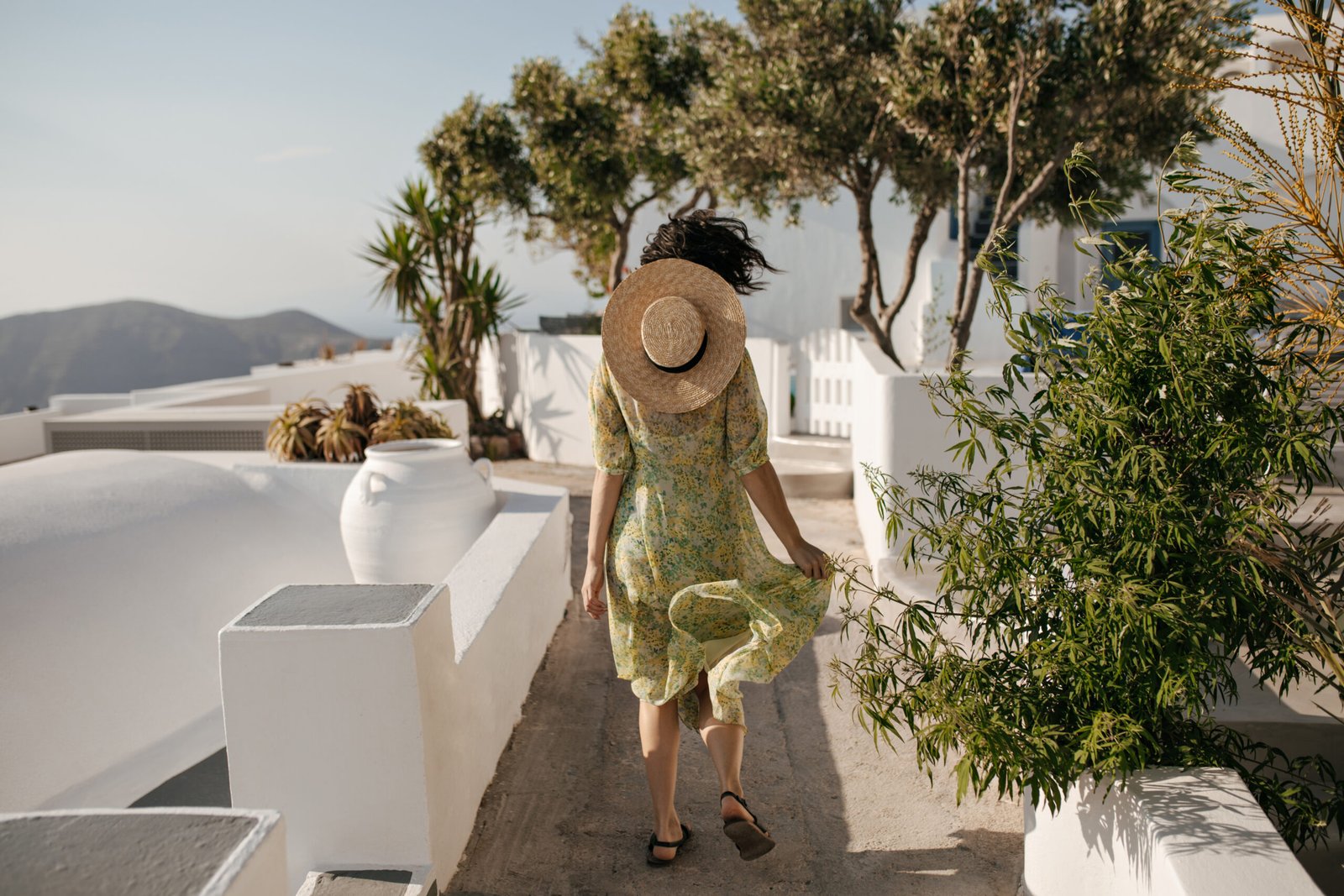
If you’re planning to move to or spend time in the Peloponnese, one of the biggest questions you might have is: what are the locals really like? Beyond the beaches, mountains, and historic landscapes, it’s the people who create your experience. And in this part of Greece, locals tend to leave a lasting impression: quietly, sincerely, and in their own unique way.
A Quiet Kind of Hospitality
Greeks in the Peloponnese are, above all, humble. You won’t often encounter exaggerated politeness or overly expressive hospitality at first glance. Instead, what you get is something more genuine and grounded. Even when language becomes a barrier, and it sometimes does, locals will almost always find a way to help you. Whether it’s through gestures, a few broken English words, or even calling someone they know to translate, there is a consistent willingness to accommodate you, answer your questions, or help solve a problem.
At the same time, Greeks are generally quite private people. This can sometimes be misunderstood by foreigners if they are used to more outgoing or immediately friendly cultures. In the Peloponnese, people won’t typically interfere in your business, offer unsolicited opinions, or try to build instant closeness. Relationships take time. Trust is something that grows slowly, through meeting the same person many times. But this distance should not be mistaken for coldness, quite the opposite, you’ll notice that locals almost always greet you with a smile, and make you feel seen, even in small, everyday encounters.
Village Life vs City Life
The experience of local culture can also vary significantly depending on where you are. In larger towns and cities like Corinth, Nafplio, or Kalamata, life moves faster, and people may appear more reserved or busy. There is often more tourists, which can make interactions feel more transactional. In contrast, small villages up in the mountains or down by the sea offer a very different atmosphere. There, life is slower, more personal, and more community-oriented. People notice newcomers imediatelly, not in an intrusive way, but with quiet curiosity. Over time, you may find yourself greeted more often, included in conversations, or even invited into local traditions.
Understanding the “Mesimeri” Lifestyle
One important cultural rhythm to understand in Greece is the daily rest period known as “mesimeri” (μεσημέρι). This is the traditional midday break, usually starting after lunch, when many people rest. During this time, typically from around 2:30 PM to 5:30 PM, shops, offices, and services often close, especially in smaller towns and villages. It’s not just a habit; it’s part of the lifestyle. Planning your day around this pause is essential, as you may otherwise find yourself facing closed doors or come across and rude (even if greeks will never tell you this).
Business hours in general can feel unusual if you’re not used to them. Many shops operate on split schedules, opening in the morning, closing for mesimeri, and reopening in the evening. On certain weekdays, commonly Tuesday, Thursday, and Saturday, shops may only open for a shorter period, usually in the morning. However, this is balanced by the fact that Greeks often work late into the evening on other days, and many businesses are open on Saturdays as well. It’s a different rhythm, but one that reflects a lifestyle centered around balance rather than constant productivity. Siga Siga (σιγά-σιγά) they say call it.
The Greek “Yes”
Another interesting cultural trait is the Greek tendency to say “yes” first. This doesn’t always mean a firm commitment or a guaranteed outcome. Rather, it’s a way of keeping things positive and making you feel comfortable. It’s a conversational softness, a preference for openness rather than immediate refusal. Over time, you’ll learn to read between the lines and understand when “yes” truly means yes, and when it’s more of a starting point for discussion.
Think Italians Love Coffee? Wait Until You Meet the Greeks
Greeks love coffee, truly love it. Throughout the year, regardless of the season, you’ll see people carrying iced coffee in takeaway cups as they walk, drive, or socialise. Unlike in many countries where coffee is something you grab quickly on the go, in Greece it’s something you sit with or spend your whole day carrying it around. It’s common to sit for hours over a single cup, catching up with friends or simply watching the sunrise by the sea. A single coffee can last one, two, even three hours.
What might surprise you most is the timing. Greeks drink coffee late. Very late. Having a coffee at 9 or even 10 PM is completely normal, and no one thinks twice about it. It’s not about caffeine, it’s about the ritual.
Strong Family Values
Family plays a central role in Greek society. Strong family ties influence everything from daily routines to long-term decisions. It’s common for people to stay closely connected to their parents and extended family well into adulthood. Marriage tends to happen later compared to past generations, typically in the late 20s for women and early 30s for men, still relatively early when compared to many countries in Central Europe. This reflects economic factors and shifting priorities, but the importance of family itself remains unchanged.
So, answering the question of how welcoming are Greeks, it is important to understand that what makes locals in the Peloponnese welcoming isn’t loud gestures or immediate friendships. It’s something quieter and more grounded. It’s the patience when communication is difficult, the small acts of kindness, like bringing gifts, inviting you to their table, never allowing you to pay for lunch together, the respectful distance, and the genuine smiles. It’s a form of hospitality that reveals itself over time, and once you understand it, it’s hard to forget.